
PD&A Expert Spotlight: Alan W. Newman, M.D.
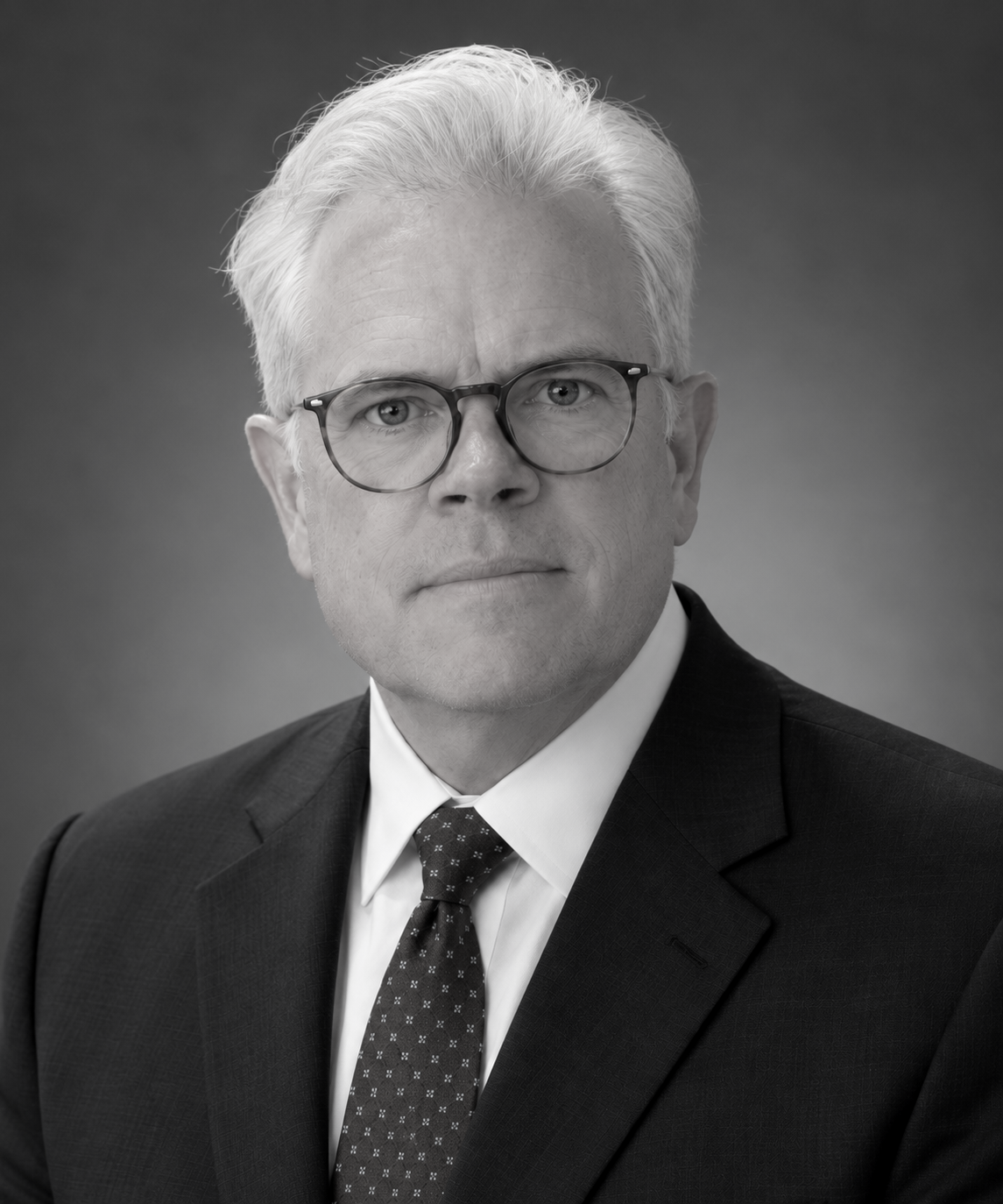
Alan W. Newman, M.D., is a fellowship-trained forensic psychiatrist, dual board-certified in general and forensic psychiatry by the American Board of Psychiatry and Neurology, with thirty years of clinical and medico-legal experience. A Clinical Professor of Psychiatry (Voluntary) at the University of California, San Francisco, he is retained by prosecution and defense in criminal matters and by hospital systems, liability insurers, and counsel in complex civil litigation. His practice concentrates on five areas:
Criminal responsibility, competency, and violence risk
Hospital safety and institutional liability
Suicide risk: clinical and institutional standards
Trauma and psychiatric damages
Online radicalization, fringe-group psychology, and emerging technology
His cases frequently involve high stakes, voluminous records, and contested clinical questions — including atypical diagnoses, complex psychopharmacological histories, suspected malingering, and conflicting opinions among prior evaluators.
Criminal Responsibility, Competency, and Violence Risk
Dr. Newman has evaluated criminal responsibility and violence risk across a wide range of complex criminal matters, retained by both prosecution and defense. His criminal forensic work encompasses insanity defense evaluations, competency-to-stand-trial evaluations, competency-restoration proceedings, involuntary medication hearings under Sell v. United States, post-NGRI release and dangerousness assessments, and conditional-release revocation. He spent six years as medical director of three locked forensic inpatient units, where he was involved in the full range of forensic inpatient issues and acquired hands-on experience with the clinical and institutional dimensions of competency restoration and violence risk management. He has also consulted on statewide criminal competency evaluation systems at the policy level.
Hospital Safety and Institutional Liability
Dr. Newman has extensive experience as an expert witness in cases involving the safety of psychiatric patients in inpatient and emergency hospital settings. His opinions address physical risk mitigation — including ligature hazards, environmental design, and observation protocols — as well as the institutional policies, staffing standards, and root-cause analysis processes that govern safe patient management. He has been involved in multiple adverse event reviews at academic medical centers and brings a detailed understanding of how hospital systems identify, escalate, and respond to safety failures.
His hospital safety work encompasses inpatient and post-discharge suicides, elopement, seclusion and restraint, and the diagnosis and treatment of patients in acute psychiatric settings. Dr. Newman also addresses medical staff matters, including disruptive physician conduct and physician fitness-for-duty, drawing on his background in hospital leadership and medical staff governance at academic medical centers.
Suicide Risk: Clinical and Institutional Standards
Dr. Newman has deep expertise in suicide risk assessment as it bears on standard-of-care questions in institutional settings. His opinions address emergency assessment, inpatient management, discharge decision-making, and the systemic and environmental factors that contribute to inpatient and post-discharge suicides. This work is grounded in his nine years as Medical Director of Inpatient Psychiatry at MedStar Georgetown University Hospital, where he developed sustained expertise in the clinical and administrative dimensions of hospital-based suicide risk management.
Trauma and Psychiatric Damages
Dr. Newman conducts independent medical examinations in cases involving PTSD, occupational stress, and complex psychiatric injury. He has particular experience with cases presenting atypical symptom profiles, contested diagnoses, and significant malingering questions — including cases where prior evaluations have produced conflicting conclusions. His IME work draws on clinical forensic tools including structured symptom validity assessment and formal malingering protocols.
Online Radicalization, Fringe Groups, and Emerging Technology
Dr. Newman consults on cases involving online radicalization, fringe group psychology, and coercive persuasion, including sovereign citizen, incel, and QAnon-related matters. He has lectured extensively on political violence, collective panics, and the psychology of extremist movements. He has addressed criminal cases in which AI use is a contested factor in mental state or criminal responsibility — including cases involving AI-generated content, algorithmically mediated belief systems, and AI-facilitated harassment — and brings both forensic and technical familiarity to this emerging area of litigation.
Background and Credentials
Dr. Newman completed a fellowship in forensic neuropsychiatry at Tulane University. He received the Jonas Rappeport Fellowship of the American Academy of Psychiatry and the Law and the Sol Ginsburg Fellowship of the Group for the Advancement of Psychiatry during his training. He received the 2007 Daniel X. Freedman Fellowship from the American Psychiatric Foundation, during which he served on the Health Staff of the U.S. Senate Committee on Labor and Human Resources, participating in the development of legislation on patient privacy, opioid treatment, and mental health insurance parity. He previously held faculty and fellowship training director positions at Tulane University and Georgetown University.
As a Clinical Professor (Voluntary) at the University of California, San Francisco, Dr. Newman focuses on the legal regulation of psychiatry. He has been involved in the education of forensic psychiatrists for over twenty years and was named Best Teacher in a Forensic Psychiatry Fellowship Program by the American Academy of Psychiatry and the Law in 2004.